
Skin comfort
How do I repair a damaged skin barrier?
Start by simplifying: pause products that sting or irritate, cleanse gently, use a comfortable moisturiser and protect your skin from the sun. Tightness and stinging can have several causes, so symptoms alone cannot confirm a damaged barrier.
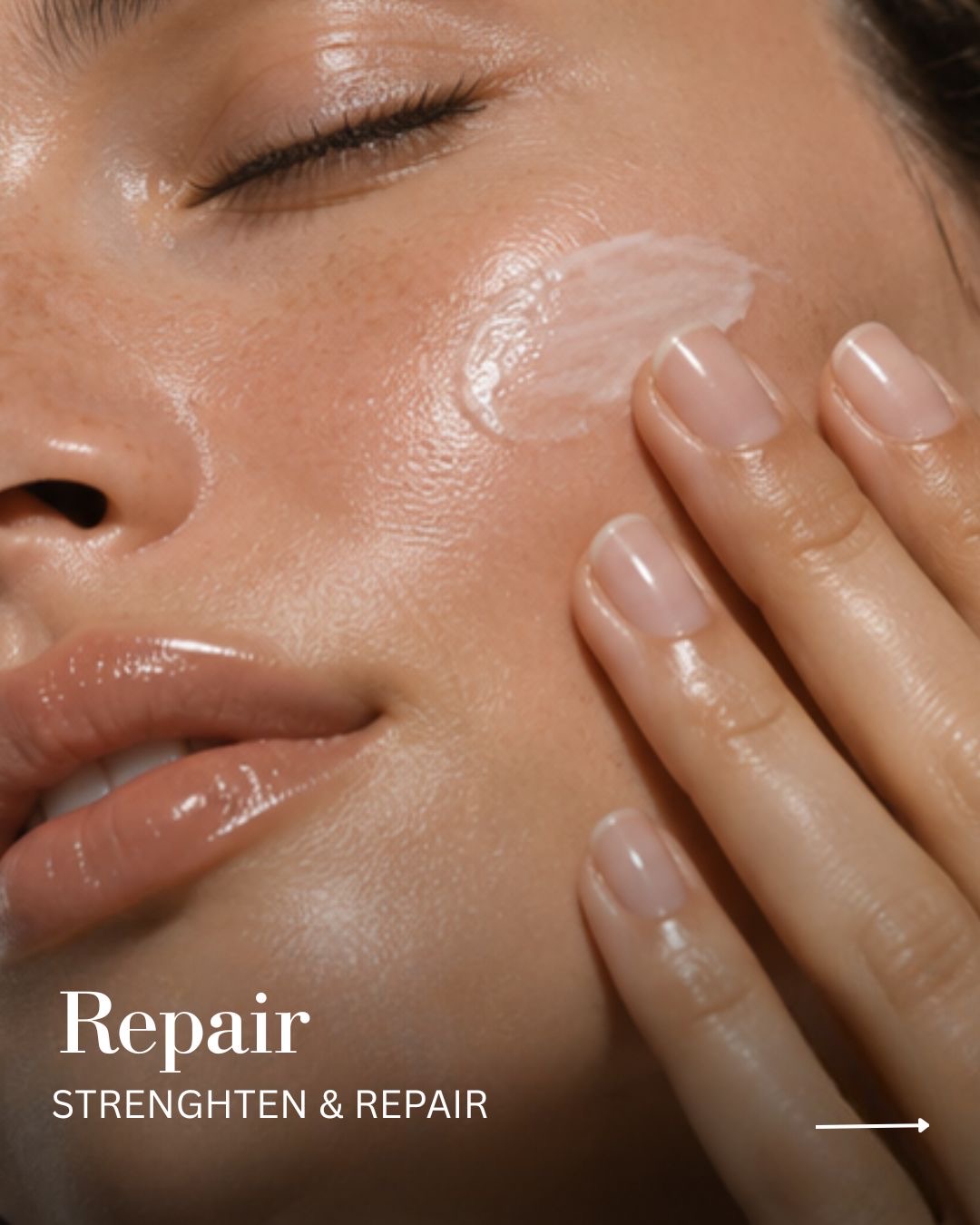
What does the skin barrier do?
The outer layer of skin helps retain water and limit contact with irritants. Harsh cleansing, repeated exfoliation and products your skin does not tolerate can leave it feeling dry and uncomfortable.
Sensitive skin and barrier disruption can overlap. A new rash, persistent redness or itching should not automatically be labelled barrier damage; eczema, contact reactions and other conditions may need assessment.
What should my routine look like?
Use lukewarm water and a gentle cleanser without scrubbing. Apply a moisturiser you already tolerate. Fragrance-free options are a reasonable starting point for reactive skin, and ingredients such as glycerin and ceramides can support moisturising care.
A serum is optional, not a requirement. Avoid repeatedly adding new soothing products while trying to discover what is causing the problem. Reduce retinoids, exfoliating acids and other actives that are uncomfortable, but do not stop prescribed treatment without speaking to your clinician.
Should I still use SPF?
Use a broad-spectrum SPF you tolerate, alongside shade and protective clothing. Mineral sunscreen is an option, not a guarantee of better tolerance. If every sunscreen stings, seek advice rather than forcing application onto very inflamed skin.
How long does recovery take?
There is no fixed recovery deadline. It depends on the cause and severity. Wait until your skin feels consistently comfortable before reintroducing an optional active, then add one at a time and slowly.
Seek medical advice for persistent or worsening symptoms, marked swelling, broken or weeping skin, or signs of infection. Do not keep experimenting with cosmetics instead of getting a rash assessed.
A few more questions
Your next step
Start with a routine your skin tolerates. Product guidance is not a diagnosis; after a procedure, your treating clinician's instructions always come first.