
Tight, stinging, reactive skin that has stopped tolerating products it used to be fine with is usually not sensitive skin. It is usually a damaged barrier, most often from too many actives introduced at once. The fix is subtraction before addition, and it is simpler than most routines make it look.
How to tell the difference
Sensitive skin is a long-term tendency to react, often present since childhood, and consistent regardless of what you are using. A damaged barrier is a recent change, usually traceable to a specific cause: a new active introduced too fast, over-exfoliating, weather change, or stacking several strong products at once. If your skin used to tolerate things it no longer does, that is barrier damage, not a new skin type.
What barrier damage actually is
Your skin barrier is a layer of lipids, mainly ceramides, cholesterol and fatty acids, that holds moisture in and irritants out. Strip that layer with over-cleansing, over-exfoliating or too many actives, and water escapes while irritants get in more easily. That is what produces the tightness, stinging and sudden reactivity.
Step one, and the hardest one: stop
Stop every active for at least two weeks. That means retinoids, acids, vitamin C, and anything else marketed as a treatment rather than a basic. This is the step people resist most, because it feels like doing nothing while the problem persists. It is not doing nothing. It is removing the thing causing the damage so repair can start.
Step two: simplify the routine to three things
A gentle, low-irritation cleanser. A lipid-replenishing serum, ingredients like ceramides or centella asiatica have reasonable evidence here. A proper moisturiser, applied generously, more than usual. That is the whole routine during recovery.


Recommended
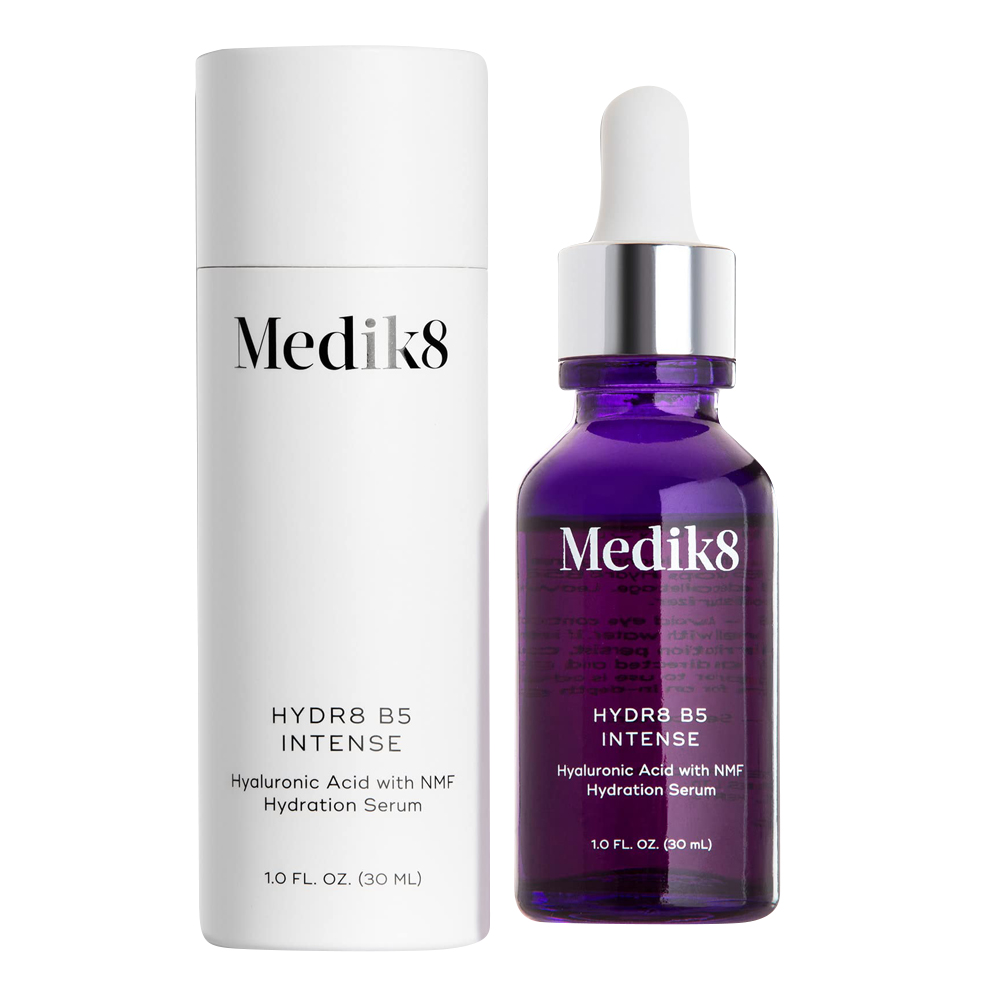
Hydr8 B5 IntenseMedik8 · £45.90
An intensive hydrating serum for retinoid and acid routines.
View product →
Recommended
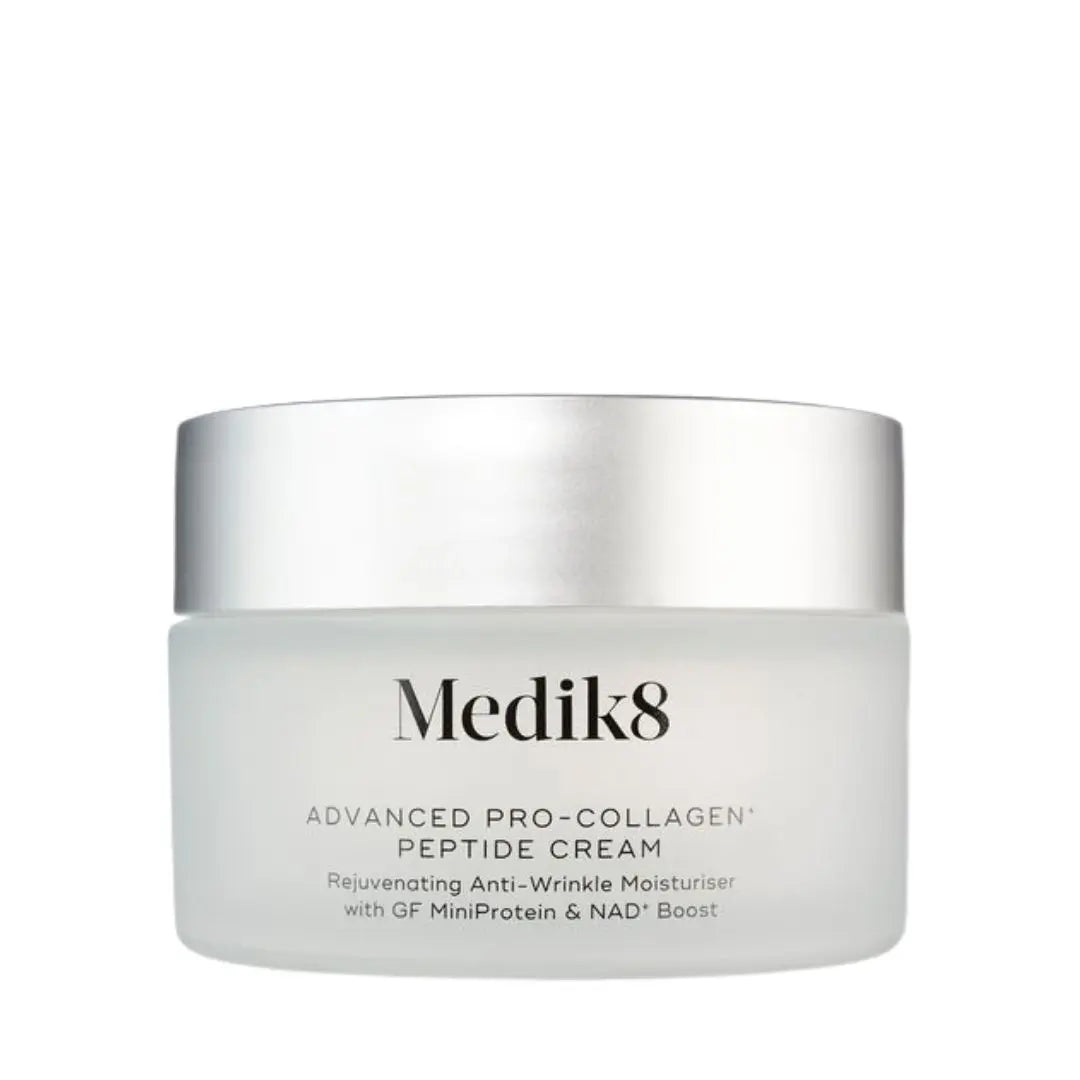
Advanced Pro Collagen+ Peptide CreamMedik8 · £55.25 · Out of stock
A peptide moisturiser to support skin firmness over time.
View product →Step three: protect while it heals
Mineral sunscreen rather than chemical, since compromised skin generally tolerates it better. Continue this daily regardless of recovery stage.


What to expect
Most people notice reduced stinging within a week of stopping actives, and visible calming within two to four weeks. Full barrier recovery, measured by skin tolerating actives again, generally takes four to six weeks of consistent simple care.
Reintroducing actives
Do this slowly, and one at a time. Wait until the barrier has genuinely settled, then bring back a single active, two weeks apart from the next one. Reintroducing everything at once is the most common reason people end up back at square one. If a product causes stinging on reintroduction, that ingredient specifically was likely the problem, or you are not ready for it yet.
Recommended
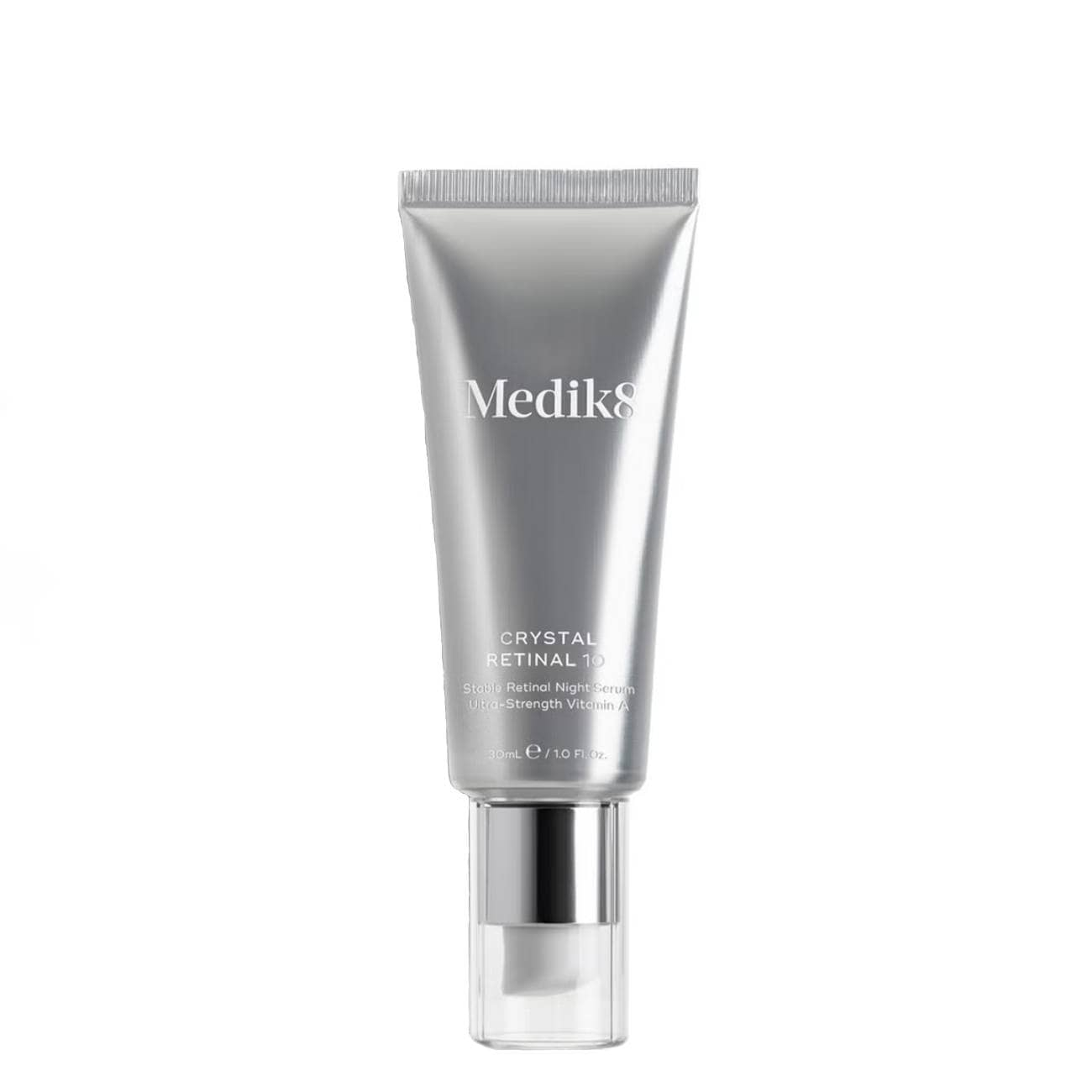
Crystal Retinal 10Medik8 · £58.65 · Out of stock
An entry-strength retinal for anyone new to vitamin A.
View product →
When it is not barrier damage
Persistent redness, itching, scaling, or a rash that does not settle with a simplified routine may be eczema, seborrhoeic dermatitis or rosacea rather than barrier damage, and those need a diagnosis rather than a different serum. If simplifying your routine for two to three weeks does not improve things, see your GP or a dermatologist.
The honest summary
Fewer products, not different ones. Two weeks of nothing but cleanser, a soothing serum and a proper moisturiser, under mineral sunscreen. Then rebuild slowly. It is not a satisfying routine to follow because it feels like giving something up, but it is the one that actually works.