
Pigmentation is the slowest condition in skincare to correct and the easiest to make worse. It is also the condition people are most likely to give up on too early, because the products that work take months, and the ones that promise weeks usually do not work at all.
Here is what actually has evidence behind it, and what to leave alone.
First, know what you are treating
Not all pigmentation is the same, and treating the wrong type with the wrong approach is a common reason nothing seems to work.
Post-inflammatory pigmentation follows an injury, spot or irritation, and generally fades on its own over months, faster with the right actives.
Sun-induced pigmentation, often called sun spots or age spots, comes from cumulative UV exposure and responds well to consistent treatment plus protection.
Melasma is different again. It is hormonally influenced, often symmetrical, commonly appears on the cheeks and upper lip, and is notoriously difficult to treat because it responds to visible light as well as UV, not just UV alone. If you are not sure which you have, or a mark is changing shape, size or colour, see your GP or a dermatologist before treating it yourself.
Sunscreen is not a supporting step, it is the treatment
This is the line people skip. UV exposure reactivates pigment production faster than any serum can suppress it, so treating pigmentation without daily sunscreen is treating it with one hand while making it worse with the other. For melasma specifically, visible light also contributes, which is why a tinted, iron-oxide containing formula often works better than a clear one.


Vitamin C, well established
Topical vitamin C interrupts the pathway that produces excess melanin and adds antioxidant protection against the UV exposure that triggers it. Use it in the morning, under sunscreen. Consistency matters more than concentration here.
Recommended
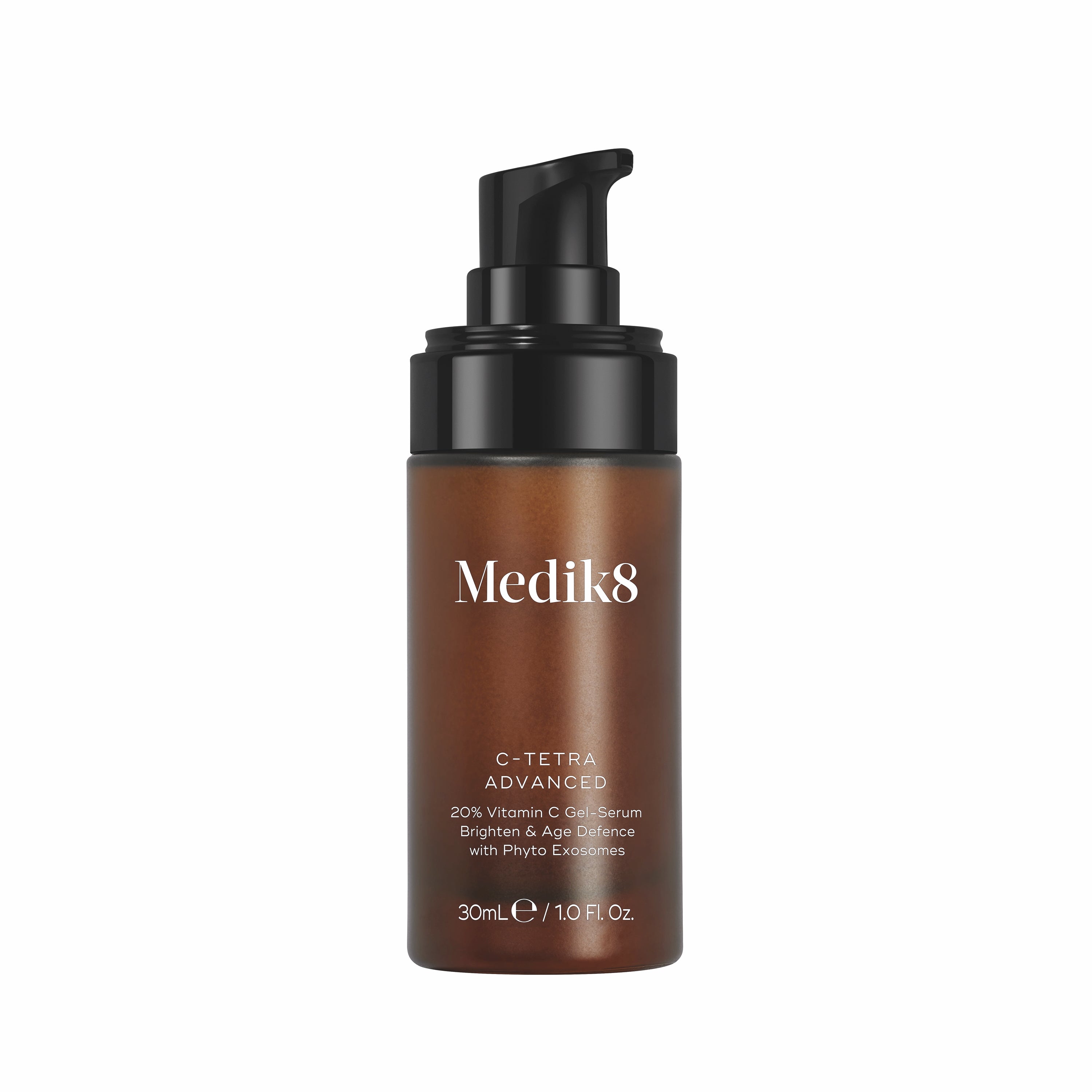
C-Tetra AdvancedMedik8 · £47.60 · Out of stock
A stable vitamin C serum for daily antioxidant protection.
View product →
Retinoids, well established, but slower than people expect
Increasing cell turnover moves pigmented cells to the surface faster and improves the appearance of existing marks over time. This is a three-month project, not a three-week one, and it needs to be introduced gradually to avoid the irritation that itself can worsen pigmentation in darker skin tones.
Recommended
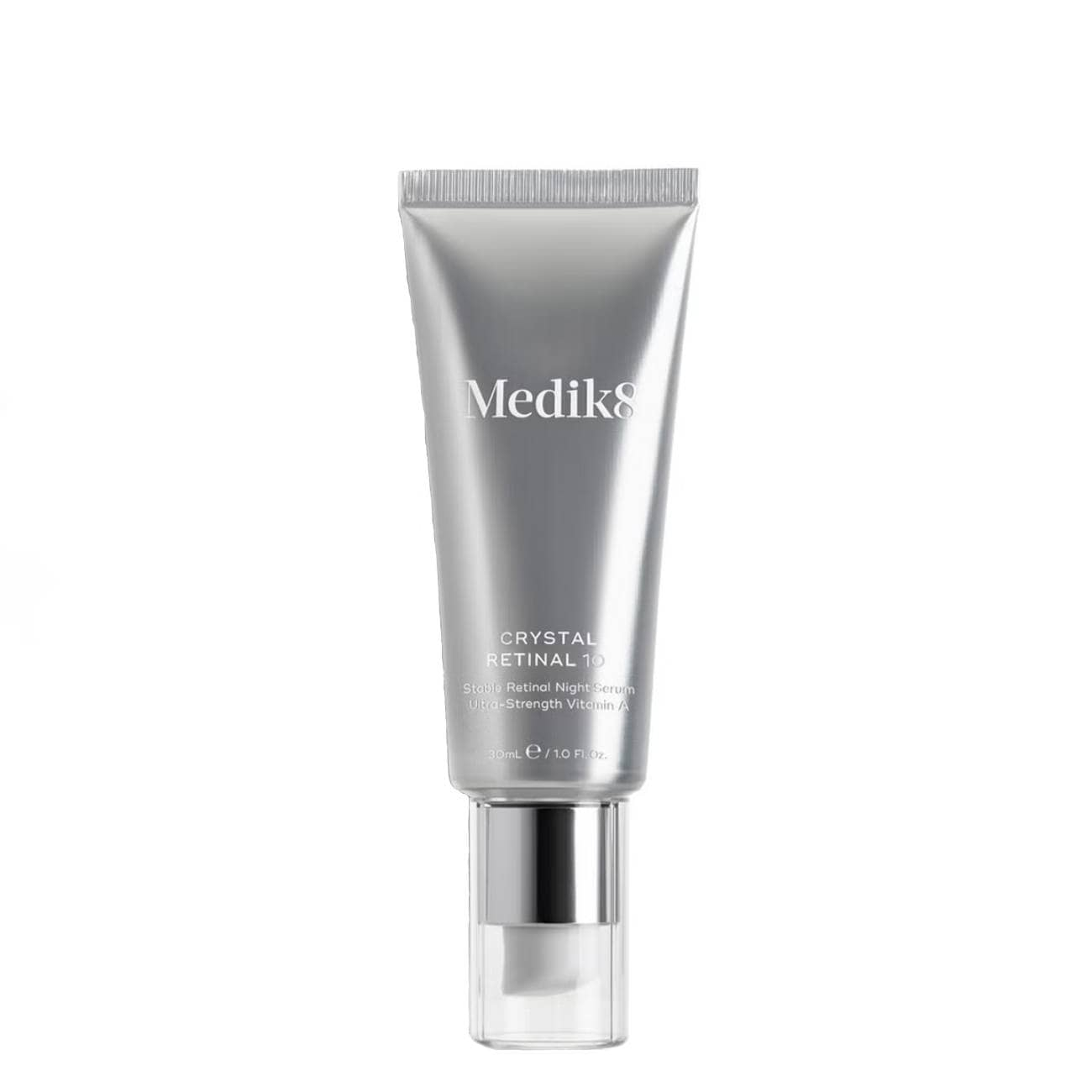
Crystal Retinal 10Medik8 · £58.65 · Out of stock
An entry-strength retinal for anyone new to vitamin A.
View product →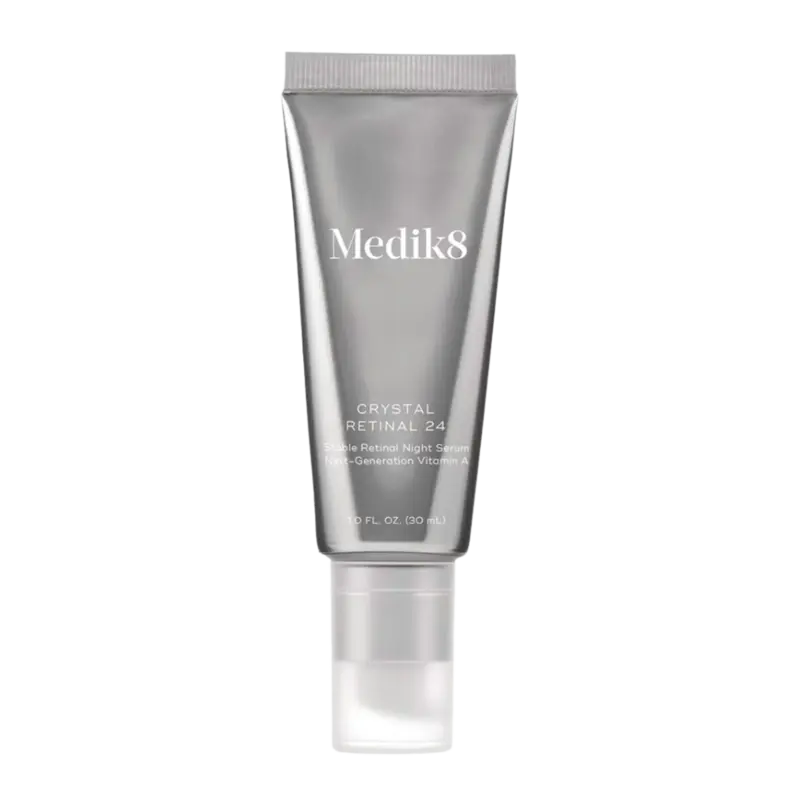
Recommended
Crystal Retinal 24Medik8 · £68.85 · Out of stock
A higher-strength retinal for established retinoid users.
View product →
Niacinamide, well established for a supporting role
Not a primary pigmentation treatment, but it has good evidence for improving the appearance of uneven tone and works well alongside the actives above without adding irritation.

Exfoliation, useful, easy to overdo
Alpha hydroxy acids help surface pigment shed faster. Once or twice a week is usually enough. More is not better, and over-exfoliating damages the barrier, which can trigger the exact post-inflammatory pigmentation you are trying to avoid.

What we would not recommend
Aggressive scrubbing or physical exfoliation, which irritates and can worsen pigmentation rather than fade it. Stacking multiple new actives at once, since you will not know what is working and irritation itself causes pigment. And anything promising results in days. Nothing legitimate does.
A realistic timeline
Weeks one to four: little visible change, sometimes mild irritation as actives are introduced. Weeks six to twelve: gradual evening of tone begins. Three to six months: the point at which most people can properly judge whether a protocol is working. Melasma specifically often needs six months or longer, and can flare with sun exposure or hormonal changes even once improved.
The honest summary
Sunscreen, daily, without exception. Vitamin C in the morning. A retinoid at night, introduced slowly. Patience measured in months. That is the protocol with genuine evidence behind it, and it is less exciting than most of what gets marketed for this concern, which is usually the first sign something is being oversold.